Quick answer: Pinterest affiliate marketing means creating pins that link to products through your affiliate links, either straight to the store or through a blog post, and earning a commission when someone buys. To start: join an affiliate program, pick a niche people shop for on Pinterest, make helpful pins around real searches, add a clear disclosure like “#affiliate” or “#ad”, and post fresh pins consistently.
People come to Pinterest to plan: what to cook, what to wear, how to decorate, what to buy. That buying mindset is why Pinterest works so well for affiliate marketing. A pin that answers “best cozy reading nook ideas” can lead someone straight to the chair, the lamp and the throw blanket in the photo.
This guide walks you through the rules, the two ways to link, picking a niche and programs, the kinds of pins that earn, and a 90-day plan.
Key takeaways
- Pinterest allows affiliate links, as long as you disclose them clearly and don’t hide where a link goes.
- You can link directly to the product or through a blog post. Blog posts usually earn more over time and are safer with picky programs.
- Choose a niche where people search and shop on Pinterest: home, fashion, beauty, kitchen, crafts, parenting, travel gear.
- Make pins that solve a search (“small balcony ideas”) rather than pins that just show a product.
- Expect 3–6 months before pins bring steady sales. Pinterest is slow to start and then keeps paying off.
How Pinterest affiliate marketing works
- You join an affiliate program and get special links for products.
- You create pins about a topic people search for, like “minimalist home office ideas”.
- The pin links either to the product with your affiliate link, or to a blog post that recommends products with your links.
- Someone finds the pin in search or their home feed, clicks, and buys.
- The store pays you a commission, usually a percentage of the sale.
Because Pinterest works like a search engine, a good pin can keep sending buyers for months. That’s the big difference from Instagram or TikTok, where a post fades within days.
Is affiliate marketing allowed on Pinterest?
Yes. Pinterest allows affiliate links, and many big networks are used on Pinterest every day. But there are rules, and breaking them can get pins removed or your account limited.
The rules to follow
| Rule | What it means in practice |
|---|---|
| Disclose every affiliate pin | Add “#affiliate”, “#ad” or “I earn from qualifying purchases” near the start of the description |
| Don’t hide the link | No cloaked links or redirect chains that disguise where a pin goes |
| Avoid link shorteners | Use the full affiliate link or your own page |
| No spam behavior | Don’t post the same pin over and over, or dozens of near-identical pins at once |
| Match the pin to the page | The product or post must be what the pin shows |
| Follow your program’s terms | Some programs restrict where and how links are used. Check before you post |
In the US, the FTC expects clear disclosure of affiliate relationships. In the UK, the ASA has similar rules. A short, plain disclosure at the start of your description covers both.
Disclosure examples you can copy
- “#affiliate. This pin contains affiliate links, so I may earn a small commission at no extra cost to you.”
- “#ad. I earn from qualifying purchases.”
- On a blog post, add a short line at the top: “This post contains affiliate links.”
If a brand pays you to post, that’s sponsored content, not just affiliate. Use Pinterest’s paid partnership label for those pins.
Direct links vs blog posts: which is better?
You can do Pinterest affiliate marketing with or without a blog. Here’s how the two approaches compare.
| Direct affiliate links | Through a blog post | |
|---|---|---|
| Setup | Fast. No website needed | You need a blog or website |
| Earnings per click | Lower. One product, one chance | Higher. Several products and more trust |
| Program rules | Some programs don’t allow direct links on social media | Accepted by almost every program |
| Long-term value | Links can break when products sell out | You update the post and the pins keep working |
| Extra income | Commission only | Commission, plus ads and email sign-ups |
| Best for | Testing a niche, single standout products | Building a lasting income |
Our take: start with direct links if you want to test a niche quickly, but build toward blog posts. A post like “15 Small Balcony Ideas” with ten affiliate products, five pins and an email sign-up will earn far more over a year than ten single-product pins.
If you link through a blog, make sure your post has good share tags so pins look right. Check it with the Open Graph checker.
Step 1: Pick a niche people shop for on Pinterest
The best Pinterest affiliate niches are visual and involve planning a purchase.
| Niche | Example searches | Product ideas |
|---|---|---|
| Home decor | “boho living room ideas”, “small bedroom ideas” | Rugs, lighting, shelves, bedding |
| Kitchen and food | “kitchen organization ideas”, “air fryer recipes” | Gadgets, storage, cookware |
| Fashion | “fall outfits”, “capsule wardrobe” | Clothing, shoes, bags |
| Beauty | “skin care routine”, “fall nail designs” | Skincare, tools, nail kits |
| Parenting and baby | “nursery ideas”, “baby registry must haves” | Nursery furniture, baby gear |
| Weddings | “wedding guest dresses”, “rustic wedding decor” | Dresses, decor, gifts |
| Travel | “carry on packing list”, “road trip essentials” | Luggage, organizers, gadgets |
| Crafts and DIY | “cricut projects”, “easy diy home decor” | Craft machines, supplies |
| Fitness | “home gym ideas”, “workout outfits” | Equipment, activewear |
| Gifts | “gifts for him”, “christmas gift ideas” | Anything giftable, seasonally |
Pick one niche, or two related ones, so Pinterest learns what your account is about. Use the Pinterest keyword tool to see how people search in that niche, and the Pinterest trends tool to spot what’s growing.
Step 2: Join affiliate programs
You’ll usually join one or more of these:
- Big retailer programs, like Amazon Associates, Walmart, Target or Etsy. Huge product range, lower commission rates.
- Affiliate networks, like Rakuten Advertising, CJ, Awin, Impact and ShareASale. Thousands of brands in one place.
- Creator platforms, like LTK and ShopMy, built for fashion, beauty and home creators.
- Direct brand programs. Many brands run their own. Search “[brand] affiliate program”.
Before you post, read each program’s terms. Look for three things: whether direct links on social media are allowed, how long the cookie lasts (how long after the click a sale still counts), and the minimum payout.
Step 3: Set up your Pinterest account for affiliate marketing
- Use a free business account. You get analytics and scheduling.
- Name your profile after your niche, like “Cozy Home Ideas | Small Space Decor”. The bio generator helps with the bio.
- Claim your website if you have one.
- Create 5–10 focused boards with searchable names. The board name generator helps.
- Mix helpful and affiliate pins. A board of nothing but product links looks like an ad. Aim for roughly 30% affiliate pins and 70% helpful ideas, tips and your own content.
Step 4: Create pins that sell without feeling like ads
The pins that earn the most solve a problem or show an idea. The product is part of the answer, not the whole pin.
Pin types that work for affiliates
| Pin type | Example headline | Why it works |
|---|---|---|
| Idea roundup | “20 Small Balcony Ideas on a Budget” | Matches a big search; links to a post full of products |
| Gift guide | “Gifts for Coffee Lovers Under $50” | Shoppers ready to buy, with a price range |
| Product in use | “The Rug That Made My Living Room Feel Bigger” | Shows the result, not just the item |
| Before and after | “Closet Makeover for Under $200” | Visual proof that makes people curious |
| Checklist | “Baby Registry Must Haves: 25 Items” | Saves well, people come back to it |
| Comparison | “Best Air Fryers: 5 Tested and Compared” | Captures people deciding between options |
| Outfit or room board | “5 Fall Outfits From One Capsule Wardrobe” | Several products, one clear idea |
Design tips
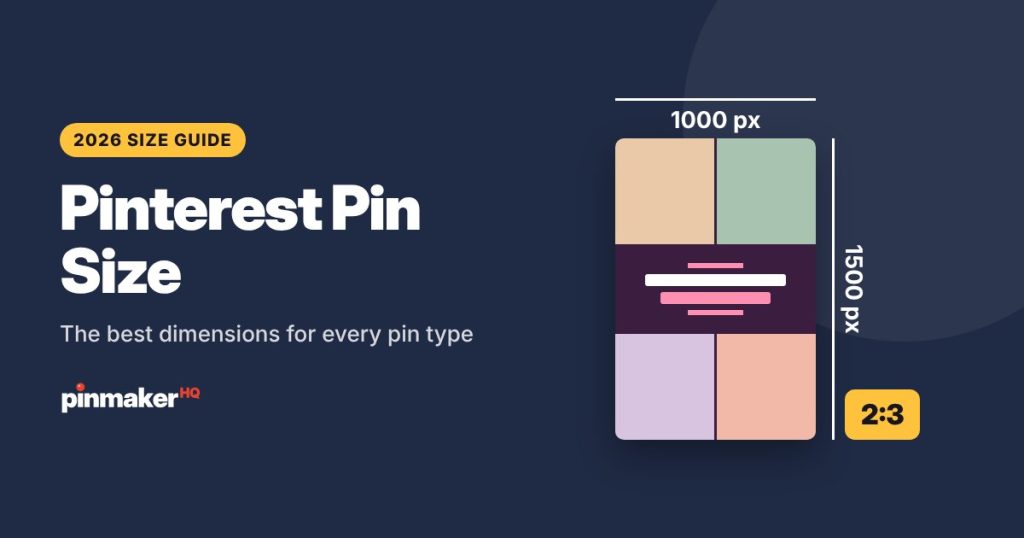
- Tall 2:3 image, 1000 × 1500 pixels. See the Pinterest pin size guide.
- A bold, keyword-led headline on the image.
- Real photos where you can. Lifestyle shots beat plain product photos on white.
- Several designs per post or product so you have fresh pins to post for weeks.
The product pin maker turns a product link into a clean pin with the name and price, and the blog post to pin tool turns your article into pins with its own photos. For layouts, see 15 pin design ideas.
Write titles and descriptions that rank
Lead the title with the search phrase, and put the disclosure at the start of the description.
Example title: Small Balcony Ideas on a Budget: 20 Cozy Setups
Example description: #affiliate. Turn a tiny balcony into a cozy outdoor room with these small balcony ideas, from foldable bistro sets to outdoor rugs and string lights. Every pick is under $100. Tap to see all 20 ideas.
The pin title generator and description generator can draft these for you. Then run them through the Pinterest SEO checker.
Step 5: Post consistently and track what earns
- Post 1–3 fresh pins a day once you’re set up. New accounts can start with 3–5 a week. See how many pins to post per day.
- Post seasonal pins 45–60 days early. Gift guides in October, not December.
- Add tracking where your program allows it, using sub-IDs or UTM tags, so you know which pins drive sales.
- Check Pinterest Analytics monthly. Find the pins with the most outbound clicks and make more like them.
A 90-day Pinterest affiliate plan
| Days | Focus | Goal |
|---|---|---|
| 1–7 | Pick a niche, join 1–2 programs, set up profile and 5–10 boards | Account ready |
| 8–30 | Create 3–5 pins a week. If you have a blog, write 2–4 product roundup posts | 15–20 pins live |
| 31–60 | Post 1 pin a day. Make new designs for your best posts | 50+ pins live, first clicks |
| 61–90 | Check analytics. Double down on the topics with clicks. Add seasonal pins | First steady sales |
Most new affiliates see little in the first month. That’s normal. Pinterest needs time to understand your account and test your pins. The accounts that earn are the ones that keep posting through months two and three.
How much can you earn?
It depends on the niche, the products and how much traffic you build. Commission rates vary a lot: big retailers often pay a few percent, while some brands and digital products pay 20% or more. A useful way to think about it:
| Monthly outbound clicks | Buyers (around 2–5%) | Average commission | Monthly earnings |
|---|---|---|---|
| 1,000 | 20–50 | $3 | $60–150 |
| 10,000 | 200–500 | $3 | $600–1,500 |
| 10,000 | 200–500 | $10 | $2,000–5,000 |
These are examples to show how the math works, not promises. Higher-priced products and higher commission rates make the biggest difference.
Common Pinterest affiliate mistakes
- No disclosure. It breaks Pinterest’s rules and the law in many countries.
- Only posting product links. Mix in helpful pins so your account doesn’t look like spam.
- Using link shorteners or cloaking. Pinterest may block them.
- Picking products you don’t know. Honest recommendations convert better and keep people coming back.
- Ignoring program rules. Some programs ban direct social links. You could lose your commissions.
- Giving up after a month. Pinterest rewards consistency over months.
Frequently asked questions
Can you do affiliate marketing on Pinterest?
Yes. Pinterest allows affiliate links. You need to disclose them clearly, avoid hiding where a link goes, and follow both Pinterest’s rules and your affiliate program’s terms.
Do I need a blog for Pinterest affiliate marketing?
No, you can link directly to products. A blog usually earns more over time, though, because one post can recommend several products, collect email sign-ups and carry ads, and it’s accepted by almost every affiliate program.
How do I disclose affiliate links on Pinterest?
Put a short note at the start of the pin description, like “#affiliate” or “#ad. I earn from qualifying purchases”. If a brand pays you directly, also use Pinterest’s paid partnership label.
Can I use Amazon affiliate links on Pinterest?
Many creators do. Check Amazon Associates’ current program policies before you post, use the full link rather than a shortener, and disclose it clearly.
How long does it take to make money with Pinterest affiliate marketing?
Most people see their first steady sales after 2–4 months of consistent posting. Pins keep working for a long time, so earnings usually grow over the first year.
What are the best niches for Pinterest affiliate marketing?
Visual, planning-heavy niches do best: home decor, kitchen, fashion, beauty, weddings, baby and parenting, travel gear, crafts and gift guides.
How many affiliate pins should I post a day?
Start with 3–5 pins a week and build to 1–3 fresh pins a day. Keep affiliate pins to roughly a third of what you post, with the rest helpful ideas and tips.
Make your first affiliate pin
Find a keyword your buyers search with the Pinterest keyword tool, turn a product link into a pin with the product pin maker, and check the title and description in the Pinterest SEO checker. For more ways to earn, read how to make money on Pinterest.